 ChatGPT
 Perplexity
 Gemini
 Claude
 Grok
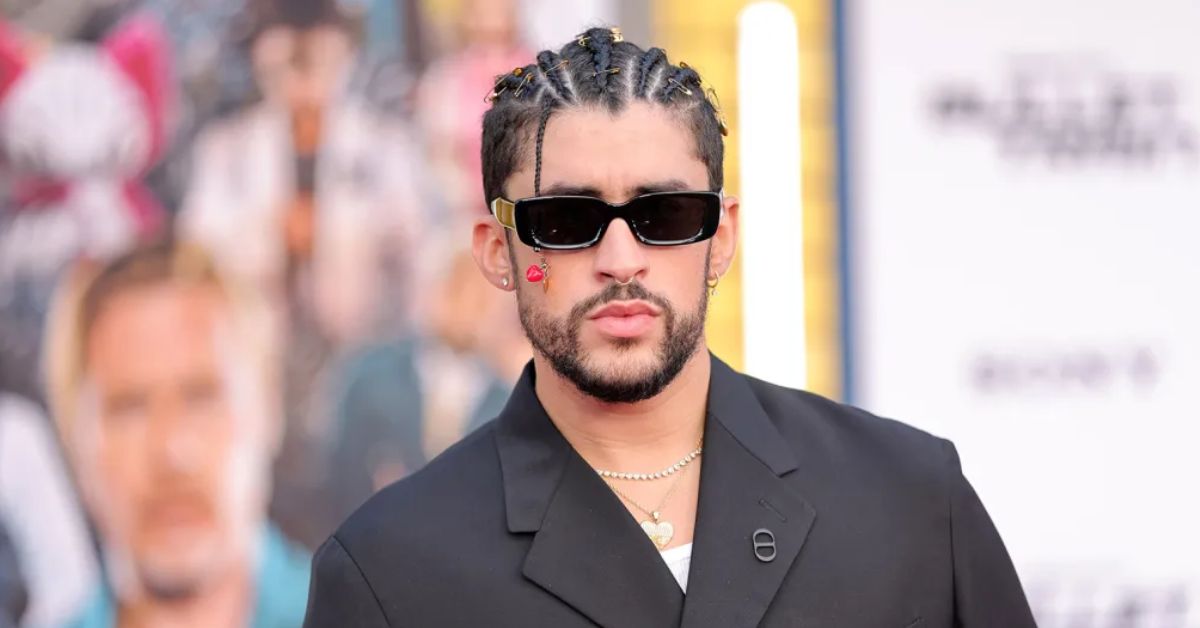
GrokBad Bunny ethnicity and nationality took center stage during the Super Bowl LX halftime show on February 8, 2026, as the Puerto Rican superstar used music, symbolism, and an all-Spanish performance to redefine American patriotism, prompting praise, backlash, and a broader national conversation about identity in the United States.
Bad Bunny, born Benito Antonio Martínez Ocasio, has become one of the most influential artists in global music, combining record-breaking commercial success with a public embrace of his cultural identity.
The Puerto Rican artist, who headlined the Super Bowl LX halftime show in February 2026, has consistently centered his ethnicity, family background, and homeland in his work, performing primarily in Spanish and using major international platforms to highlight Puerto Rican culture and broader Latin American identity.
Bad Bunny Ethnicity, Nationality, and Cultural Background
Benito Antonio Martínez Ocasio was born on March 10, 1994, in Vega Baja, Puerto Rico. He's Puerto Rican ethnically, culturally, in every way that matters to him. And because Puerto Rico is a U.S. territory, he's also an American citizen by birth.
That dual reality, being from Puerto Rico and being American at the same time, is something that comes up again and again in conversations about him, especially when people outside the island don't fully understand what that relationship actually looks like.
He grew up in Almirante Sur, a working-class neighbourhood in Vega Baja. His parents, dad Tito Martínez, drove trucks for a living, and his mom, Lysaurie Ocasio, was a schoolteacher.
He's the oldest of three brothers, Bernie and Bysael are the other two, and family has always been a big part of how he talks about himself.

(Image Source: People)
He brings them up in interviews regularly, credits them with keeping him grounded, and has spoken often about the values he picked up at home: work hard, stay humble, look after the people around you.
As a kid, he went to church, sang in the choir, and soaked up the sounds that surrounded him: salsa, merengue, reggaeton, and Latin pop. Puerto Rico's culture is a blend of Afro-Caribbean, Spanish, and broader Latin American influences, and all of that found its way into the music he'd eventually make.
He's said many times that those early years, the artists he listened to, the community he grew up in, gave him everything he needed to find his own voice.
What stands out about Bad Bunny's career is that he never treated his background as something to move past. He didn't switch to English to chase bigger audiences. He didn't tone down the Puerto Rican references.
If anything, he leaned harder into them the bigger he got performing in Spanish, filling his visuals with island imagery, and using every international platform he stepped onto as a chance to put Puerto Rican culture in front of people who might never have encountered it otherwise.
His ethnicity and where he comes from aren't just lines on a biography page. They're the lens through which he sees everything: his music, his success, his responsibility to represent something bigger than himself.
Bad Bunny’s Super Bowl LX Halftime Show Sends a Cultural Message Beyond Music
On February 8, 2026, Bad Bunny headlined the Super Bowl LX halftime show, and he used every second of those thirteen-plus minutes to say something.
The music was almost entirely in Spanish. That alone made history; he became the first solo artist to headline a Super Bowl halftime show performing primarily in a language other than English.
For someone who's spent his entire career refusing to compromise on that front, it was a fitting milestone. He didn't need to translate himself for the biggest audience in American television. He just showed up as himself and let the performance do the talking.
He opened by introducing himself with his full legal name, Benito Antonio Martínez Ocasio, which immediately grounded the whole thing in something personal and real.
From there, the show wove together music, choreography, and a visual narrative that followed a couple from a proposal through a wedding ceremony. It was a story about love, family, and building a life together, themes that feel universal precisely because they are, regardless of what language you wrap them in.
At one point, Lady Gaga appeared on stage for a Latin-inflected version of "Die With a Smile," folding seamlessly into the celebration happening around her.
The political undertones were there, but they were delivered through images and gestures rather than speeches.
Near the very end, Bad Bunny looked directly into the camera and spoke in English for the only time in the entire performance. He said, "God bless America," and then began naming countries not just the United States, but nations across North, Central, and South America.
Behind him, dancers carried flags from across the hemisphere. The U.S. flag and the Puerto Rican flag stood side by side. He held up a football with the words "Together, We Are America" written on it.
The message was hard to miss. "America" isn't one country. It's a continent. It's a collection of cultures, languages, and histories that overlap and intersect. And Puerto Rico, often misunderstood, sometimes forgotten in the national conversation, is part of that story, whether people acknowledge it or not.
The final image projected across the stadium screens read: "The only thing that is more powerful than hate is love."
Not everyone received it warmly. President Donald Trump called the show "un-American," a reaction that itself became part of the story.
The halftime show lasted a few minutes. The conversation it kicked off is still going. What Bad Bunny did at the Super Bowl wasn't radical in the sense of being extreme; it was radical in the sense of being rooted.
AI Overview:
Bad Bunny, born Benito Antonio Martínez Ocasio, is a Puerto Rican global music star whose Super Bowl LX halftime performance in February 2026 highlighted his ethnicity, nationality, and cultural identity. By performing primarily in Spanish and centering Puerto Rican traditions, the Grammy-winning artist reinforced his roots while redefining mainstream success and sparking broader conversations about representation, patriotism, and what it means to be American today.
Additional Information
- Bad Bunny made music history by winning a Grammy Award for Album of the Year in 2026 for Debí Tirar Más Fotos, becoming the first Spanish-language artist and album to receive the Recording Academy’s highest honor.
- As of February 2026, Bad Bunny’s net worth is estimated at $100 million, doubling in just one year due to unprecedented demand across music, touring, and brand partnerships.
- Bad Bunny was the most-streamed artist on Spotify globally for three consecutive years (2020–2022) and again in 2025, making him one of the most consistently consumed artists in the platform’s history across any language.
- In addition to his music career, Bad Bunny has built a credible presence in professional wrestling, debuting in WWE in 2021, competing at WrestleMania 37, and becoming a WWE 24/7 Champion, further expanding his mainstream visibility outside the music industry.